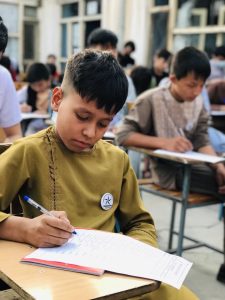
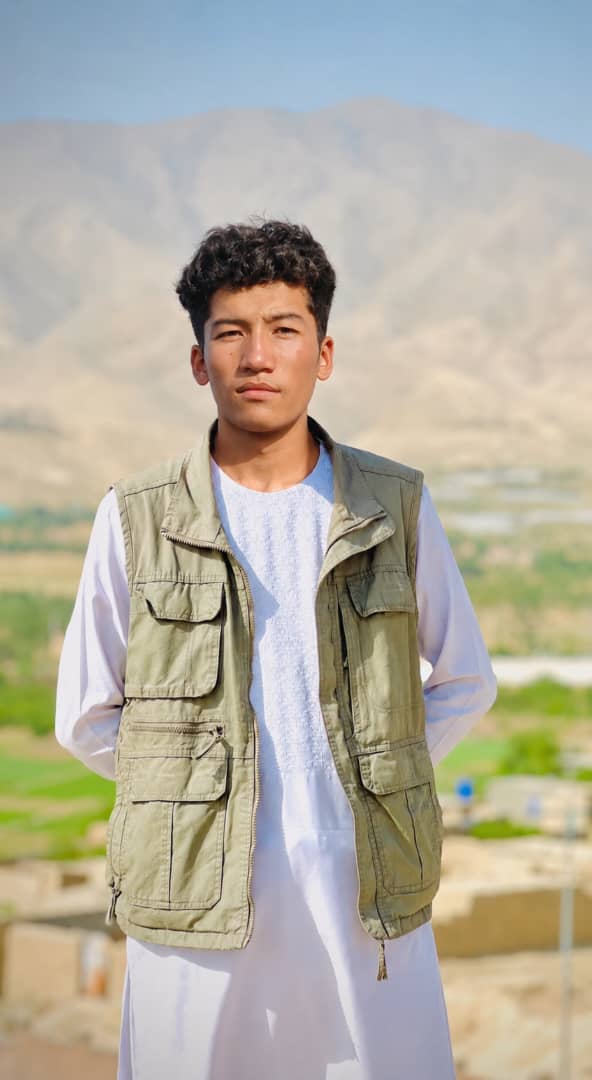
The Hazara community is an important part of the social and cultural life of Kabul. Many Hazaras live in different parts of the city, with a large population in areas such as Dasht-e Barchi. They have contributed to education, business, culture, art, and other parts of Afghan society.
However, life has not always been easy for the Hazara community. Hazaras have historically faced ethnic and religious discrimination, and in recent years they have also faced serious security and economic challenges. Human-rights organizations have reported attacks against Hazara and Shia communities, as well as discrimination and political marginalization.
Despite these difficulties, many Hazara families in Kabul continue to value education, hard work, and community cooperation. Young people especially have shown strong interest in education, technology, business, and creative activities. At the same time, economic problems and restrictions on education and employment—particularly for women and girls—have made daily life more difficult for many families.
The Hazara community also has a rich cultural identity, including the Hazaragi language and traditions of poetry, music, and storytelling. Their history in Afghanistan includes many periods of hardship, but their culture and determination have remained strong.